How Healing Spaces Translate Patient Materials Well
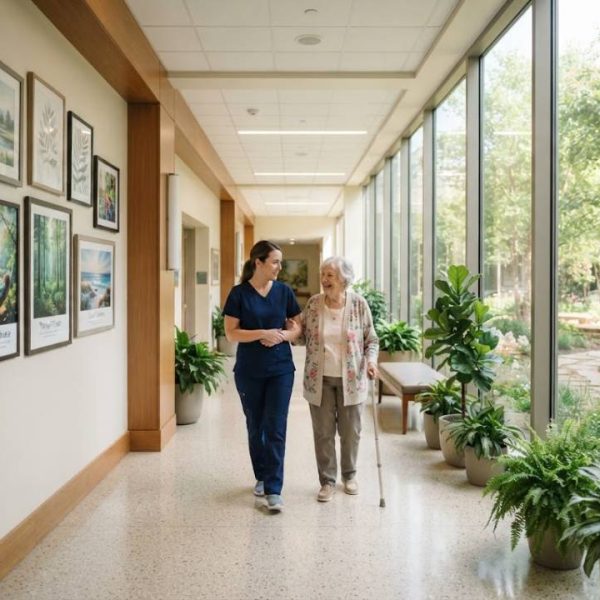
Healing spaces that bring together medical care, scientific research, and the arts increasingly serve patient populations and visiting researchers from many different language backgrounds. A hospital arts program or a healing garden designed around evidence-based therapeutic principles needs its patient guidance materials, wayfinding signage, and program descriptions to reach everyone who walks through the door, not just those fluent in the facility's primary language.
Institutions that integrate art and science into patient care describe a specific tension: the language used to explain a therapeutic art program needs to be warm and accessible, while adjacent medical information demands strict precision, and both need equally careful translation.
The healing spaces reaching the widest range of patients are not necessarily the best funded. They are the ones that treated multilingual materials as core to the healing environment rather than an administrative afterthought.
Where translation quality actually affects patient experience
A patient navigating an unfamiliar healthcare environment while managing illness already faces significant stress, and confusing or poorly translated wayfinding and program information adds an unnecessary burden precisely when clear communication matters most.
Care teams who have observed this firsthand describe well-translated patient materials as a genuine component of the healing environment itself, not simply an administrative nicety layered on top of the actual clinical and artistic programming.
Why consistency across materials matters here specifically
Healing spaces blending science and art produce a wide range of content types, therapeutic program descriptions, research summaries, patient consent materials, gallery placards, that all benefit from consistent terminology when translated, since a patient encountering the same concept described differently across materials may reasonably wonder whether something was lost in translation.
A cat tool helps address this by remembering how specific therapeutic and medical terms were translated and approved previously, ensuring that a phrase describing a healing art program reads consistently whether it appears on a wall placard or in a patient information booklet.
Wordbeam's cat tool gives healthcare and arts program coordinators exactly that kind of consistency, building a shared memory of approved translated phrases that keeps patient-facing content coherent across every format a healing space actually produces.
Coordinating translation across clinical and creative teams
Healing spaces integrating science, medicine, and art typically involve clinical staff, arts program coordinators, and communications teams who rarely share a single workflow, making translated content coordination genuinely difficult without a shared platform connecting everyone's contributions.
An online translation platform gives these different teams a shared space to collaborate on translated content, letting a clinical reviewer check medical terminology while an arts coordinator reviews the tone and warmth of program descriptions, all within the same reviewed document.
Wordbeam's online translation platform supports exactly this kind of cross-functional review, letting healthcare institutions bring together the clinical accuracy and human warmth that healing-focused content genuinely requires.
What international patients and families actually notice
Patients and family members navigating a healing space in a second language pay close attention to whether the facility clearly anticipated their needs, and well-translated materials signal a level of institutional care that reassures people already dealing with significant stress and uncertainty.
Institutions that have invested in this kind of translation infrastructure report that patient satisfaction scores among non-native speakers improve measurably, since clear communication reduces the confusion and anxiety that often compounds an already difficult healthcare experience.
Building translated content that respects cultural context
Healing spaces that draw on art and cultural practices for therapeutic purposes need translated materials that respect how different cultures understand healing itself, not simply a literal word-for-word rendering that misses important cultural context around wellness and recovery.
Programs that consult with translators who understand this cultural dimension report noticeably better reception among diverse patient populations, since materials that respect cultural context around healing feel genuinely welcoming rather than merely translated.
Sustaining multilingual programming over time
Healing spaces that treat translation as an ongoing part of their programming, rather than a one-time project completed when a new wing opens, find their multilingual materials stay current as programs evolve and new research findings get incorporated into patient information.
That sustained approach, more than any single translation project, tends to be what allows a healing space to genuinely serve an increasingly diverse patient population over the long term.
Training staff to work with translated materials confidently
Front-line staff at healing spaces often need to point patients toward translated materials or answer basic questions about them, even when the staff member does not speak the patient's language themselves, making clear organization of translated content genuinely important for day-to-day operations.
Facilities that train staff on where to find approved translated materials for common patient questions report smoother interactions, with staff able to confidently direct a patient to accurate information rather than improvising a response in an unfamiliar language.
Where broader standards come from
The Globalization and Localization Association has documented how healthcare organizations approach translation differently from general business content, given the genuine stakes involved in patient communication.
Guidance from the W3C Internationalization group also informs how digital patient materials get structured so translated content displays correctly across the range of devices patients and families actually use.