Simple Ways to Appreciate and Collect Art at Any Budget
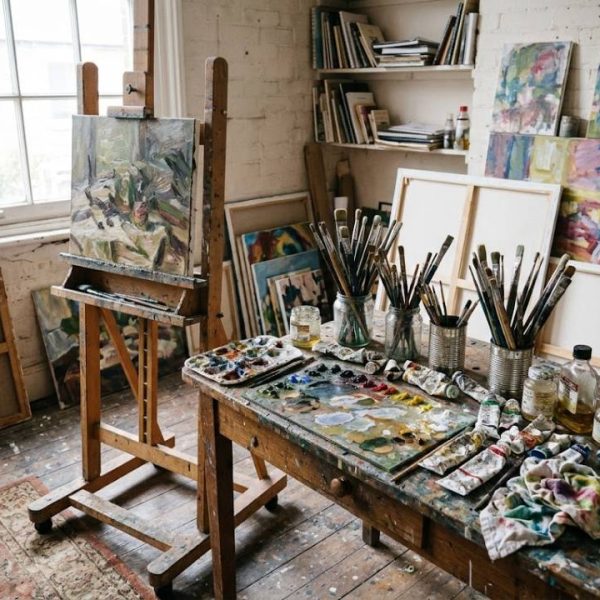
Art does not belong only to museums and wealthy collectors. A print on the wall, a local painter or a visit to a small gallery can change how a space and a day feel. This guide offers simple ways to appreciate and collect art, whatever your budget.
Begin by Looking Slowly
Spend a few minutes with one artwork before reading the label. Notice colour, shape, texture and mood. Slow looking turns a quick glance into a real experience and builds confidence in your own taste.
Trust Your Own Response
You do not need expert vocabulary to enjoy art. Ask what the work makes you feel or remember. Personal reactions are a valid starting point and often lead to deeper curiosity.
Visit Free Galleries and Museums
Many institutions offer free entry or free days. Wander through different rooms and styles. Repeated visits teach you to notice details that were invisible the first time.
Explore Local Studios and Open Days
Artists often open their workspaces during local events. Meeting makers explains how and why they work, and conversations make artworks feel more personal and memorable.
Learn Basic Art Terms
Words such as composition, palette, medium and perspective help you describe what you see. Short glossaries from reputable sources make the vocabulary easy, and they deepen enjoyment.
Read About Artists
Biographies and interviews reveal ideas behind the work. The Tate website offers accessible introductions to artists, movements and techniques for beginners.
Start a Small Collection
Choose prints, postcards, ceramics or small original pieces. A modest collection built around what you love will feel personal. Quality and meaning matter more than famous names.
Set a Comfortable Budget
Decide a monthly or yearly amount before you shop. Art can be inexpensive, and a clear limit prevents impulse purchases. Remember to include framing and delivery in your plan.
Buy Directly From Artists
Fairs, studio visits and online shops let you support makers without a middleman. Ask about materials, edition sizes and care instructions. Direct purchases often include a story you will enjoy retelling.
Understand Prints and Editions
Limited editions are numbered and often signed. Open editions are produced without limit. Knowing the difference helps you judge price and value, and avoids misunderstandings.
Check Condition and Authenticity
Ask for a receipt, certificate or description of the work. Inspect for damage, fading and fakes. Reputable sellers answer questions openly and happily.
Frame With Care
Good framing protects art and improves presentation. Choose acid free mounts and glazing that reduces glare. Simple, neutral frames let the artwork speak without competing.
Hang Art Thoughtfully
Place pieces at eye level, away from direct sun and damp. Group small works together and give large ones space. Light and spacing make a surprising difference.
Care for Your Collection
Dust gently, avoid hanging above radiators and rotate works occasionally. Keep records of purchases and photographs. Careful handling preserves both beauty and value.
Support Artists Who Move Abroad
Many artists work across countries and need paperwork for residency or studios. Accurate marriage certificate translation can help creative families prove status when applying for visas or permits.
Collecting art on a modest budget, as the article explains, works best when you buy what holds up over years rather than what is currently fashionable. The same logic applies to anything that ends up framed on a wall, including the family photograph taken each autumn. Choosing fall family photo outfits in quiet, classic colours is the photographic equivalent of that advice, since a trend-led choice dates the picture far faster than the haircuts do.
Share Art Across Cultures
Exhibitions and catalogues reach wider audiences when translated. For Hmong speaking communities, dependable english to hmong translation helps artists and galleries share stories, labels and invitations clearly.
Join an Art Community
Clubs, workshops and online groups offer feedback and friendship. Attending talks and exhibitions regularly keeps your interest growing and introduces you to new styles.
Try Making Art Yourself
Sketching, painting or printing helps you notice how artists solve problems. Skill is not the goal. The act of making deepens appreciation for every work you see afterwards.
Take Children to Galleries
Short visits with simple games, such as finding a favourite colour, make art playful. Early positive experiences help children grow into confident, curious viewers.
Appreciate Public Art
Murals, sculptures and architecture are open to everyone. Walk through your town with fresh eyes and notice details. Public art connects communities and tells local stories.
Visit Exhibitions Online
Many museums offer virtual tours and zoomable images. Online viewing cannot replace seeing a painting in person, but it is a fine way to explore and plan future visits.
Be Open to Unfamiliar Styles
Abstract, folk and contemporary works may feel strange at first. Give them a second look. Stretching your taste can bring unexpected favourites.
Enjoy the Journey
Collecting and appreciating art is a lifelong conversation. There is no deadline and no single right answer. Follow your curiosity and let your taste evolve.
Keep a Simple Art Journal
Note the works you saw, how they made you feel and what you want to explore next. Over time the journal becomes a personal map of your developing taste.
Share What You Discover
Tell friends about exhibitions and artists you enjoy. Talking about art makes memories clearer and encourages others to look closely, too.
Final Thoughts
Art is for everyone willing to look with interest. Choose one idea from this list, visit an exhibition or support a local maker this month, and notice what stays with you. Small steps make a lasting difference.